The 4 am economics of the sabzi mandi
By the time the city wakes, the day's vegetable prices have already been argued, settled and loaded onto a hundred cycles. A dawn at the wholesale yard.
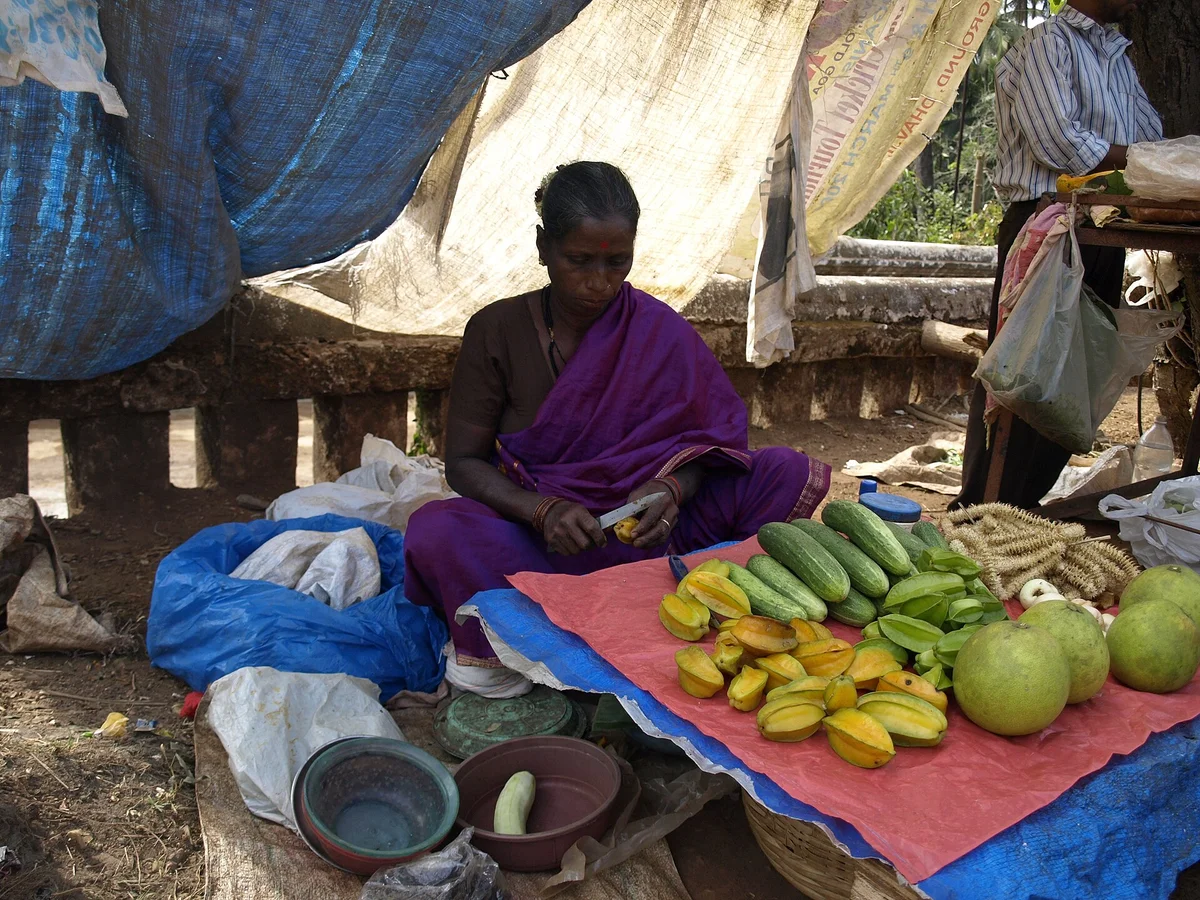
The mandi's day peaks before dawn. Trucks from three districts unload by torchlight, commission agents call out lots, and the price of every vegetable in the city is discovered in fifteen-second auctions conducted in shorthand outsiders cannot follow.
A trader explains the cascade with a bunch of spinach: the grower's price at the farm gate, the transport share, the mandi commission, and the retail margin that doubles by the time it reaches a colony cart — each layer defensible alone, eye-watering in sum.
The sharpest operators are the smallest. Women who buy single crates at the auction's end, when unsold lots go cheap, will retail them by evening at the neighbourhood's most honest margins. Several have graduated from headload to handcart to a rented stall — the mandi's own MBA.
By seven the yard is sweeping itself out and the day's ledger is closed. The city, buying tomatoes at ten, will complain about prices set while it slept — to vendors who have already been awake for eight hours.
Reader Comments
Comments are reviewed by our desk before they appear. Sign in with your mobile number to join the discussion.